





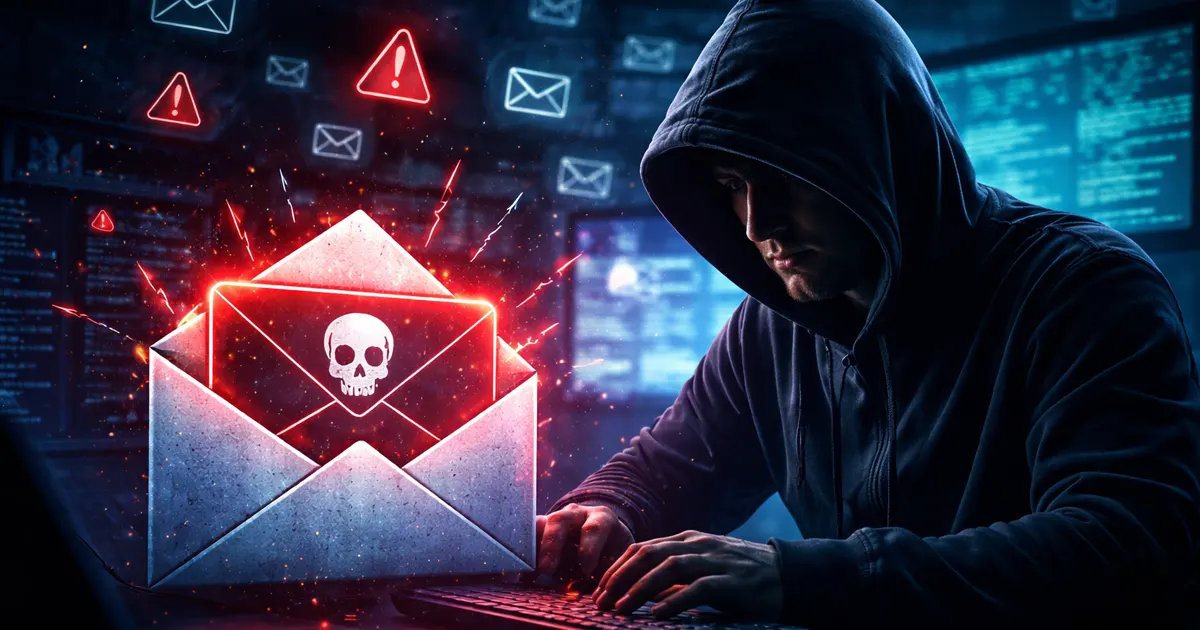
In a digital era where even the most powerful organisations rely on cybersecurity frameworks, a recent breach has shaken global confidence. Iran-linked hackers have reportedly infiltrated the personal email account of Kash Patel, the current Director of the FBI and a seasoned national security expert with a background in law, intelligence, and counterterrorism - exposing private communications and personal data. At first glance, it may seem like just another headline. But in reality, this cyberattack reveals something far more alarming - a shift in how modern cyber warfare is being executed.
What Happened in the FBI Email Breach?
The attack has been linked to the notorious Handala Hack Team, a group widely believed to be associated with Iranian cyber operations. Instead of targeting highly secured government systems, the hackers chose a more strategic entry point - a personal email account.
Reports indicate that emails, images, and archived data spanning several years were accessed and partially leaked online. While officials confirmed that classified information remained secure, the breach itself raises critical concerns.
Because cybersecurity today is no longer just about protecting systems - It's about protecting identities.
Why This Cyber Attack Matters More Than You Think
This incident isn't just about one individual. It highlights a growing global trend in cyber threats:
Attackers are no longer focusing only on organisations - they are targeting people.
Personal accounts often lack:
- Enterprise-grade security layers
- Continuous monitoring systems
- Strict access control policies
And that's exactly what makes them vulnerable.
From a cybersecurity perspective, this represents a major shift toward identity-based attacks, where the weakest link is not infrastructure, but human behaviour.
The New Face of Cyber Warfare
Cyber warfare is evolving - and fast.
Earlier, attackers aimed to:
- Breach networks
- Steal classified data
- Disrupt operations
Now, the strategy is more psychological and strategic:
- Target individuals with influence
- Leak personal data publicly
- Create reputational damage and distrust
This "hack-and-leak" approach is not just about data theft - it's about information weaponization.
And in many cases, the impact is far more severe than that of traditional cyberattacks.
What Cybersecurity Experts Should Take Away
For professionals in cybersecurity, this breach reinforces a critical insight:
The attack surface has expanded beyond networks to individuals. Security strategies must now evolve to include:
- Personal cybersecurity awareness for employees and executives
- Strong identity and access management (IAM) practices
- Zero Trust architecture implementation
- Monitoring beyond corporate environments
Ignoring personal endpoints is no longer an option.
A Practical Lesson for Everyday Users
While this incident involves a high-profile figure, the risks apply to everyone. Your personal email account is more powerful than you think. It often acts as a gateway to:
- Banking and financial apps
- Social media apps
- Social media accounts
- Cloud storage
- Professional communication
A single breach can trigger a chain reaction.
Simple but Crucial Steps
- Enable Two-Factor Authentication (2FA)
- Avoid password reuse across platforms
- Regularly review account activity
- Use password managers for stronger security
Cybersecurity doesn't start with organizations - it starts with you.
SEO Insight: Why "Personal Cybersecurity" is Now Trending
Search trends show a rising interest in:
- "email hacking prevention."
- "How to secure personal accounts."
- "cyber attack news 2026."
- "identity-based cyber threats."
This incident directly aligns with these concerns, making it a defining example of why personal cybersecurity is becoming a global priority.
Build Real Cybersecurity Skills with ISOEH
Reading about cyber threats is important - but understanding how to prevent them is powerful. At ISOEH, you can go beyond theory and gain hands-on expertise in cybersecurity.
Whether you're a student, professional, or tech enthusiast, ISOEH helps you:
- Learn ethical hacking and penetration testing
- Understand real-world cyberattack techniques
- Build practical, job-ready cybersecurity skills
- Stay ahead in the rapidly evolving cyber landscape
Because in today's world, awareness is good - but skills are essential.
Final Thoughts: A Warning the World Can't Ignore
The breach of Kash Patel's personal email is not just a cybersecurity incident - it's a global warning.
It tells us that:
- No one is immune to cyber threats
- Personal accounts are prime targets
- Cybersecurity must evolve with attacker strategies
In the age of digital warfare, your identity is your perimeter. Protect it like your life depends on it - because digitally, it does.

Read Other Breaking News
Read All Breaking News »
Hackers Drain ₹48 Crore Overnight: The Cyber Heist That Shook India's Finance Sector
Read Details »
Himachal Government website hacked: Fake Relief Fund Page Exposes Critical Cybersecurity Lessons
Read Details »
Huge Data Breach from LinkedIn Phishing for Job-cravers!!!
Read Details »
Medusa Partnered with Flubot to Attack Android Users
Read Details »
Cybercrime Worth Rs 5 Crores - 12th Passed Student Caught
Read Details »
Ransom Attack On Bose: Employee Data Leaked
Read Details »
Ransom Attack On Us Largest Pipeline System: Hackers Got Usd 5 Million
Read Details »
Beware! Whatsapp Pink Is A Virus!
Read Details »Exclusive Blog
Read All Exclusive Blog »
With world working from home, it's time to make it enjoyable and effective.
Read DetailsHacking Tools
Explore All Hacking Tools »
UFTP is an encrypted multicast file transfer program for secure, reliable & efficient transfer of files. It also helps in data distribution over a satellite link.
Read Details