





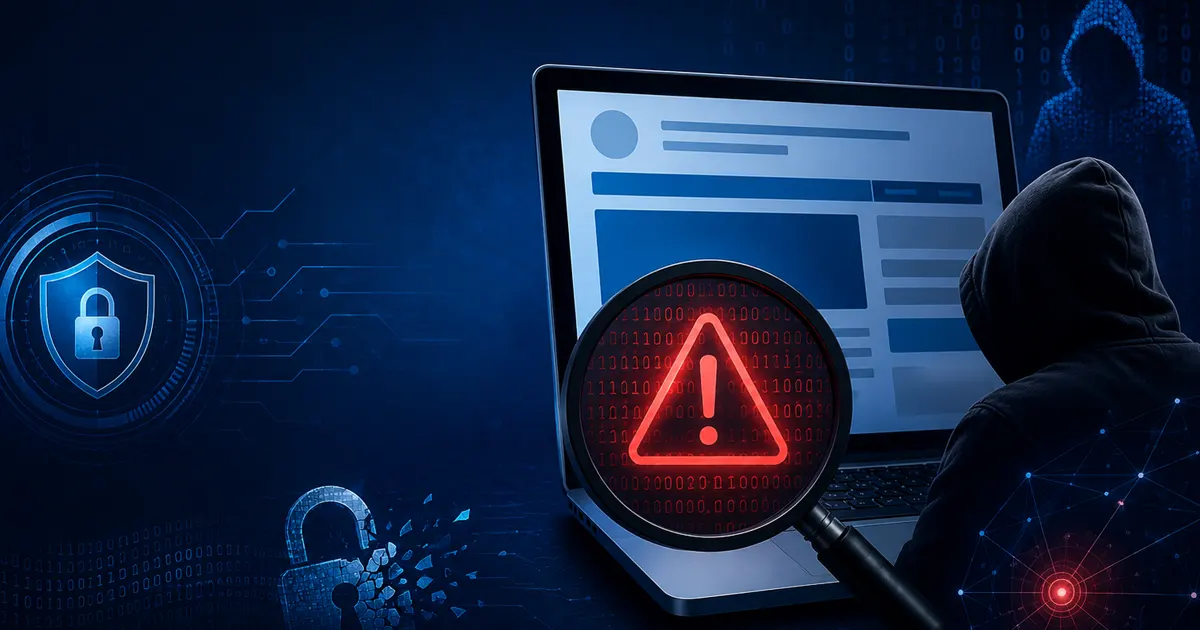
India's education sector has found itself at the center of a cybersecurity discussion after reports emerged that student cybersecurity researchers identified alleged vulnerabilities within the Central Board of Secondary Education's (CBSE) digital infrastructure.
The findings, which reportedly relate to weaknesses in CBSE's online systems, have drawn attention from cybersecurity professionals, education stakeholders, and policymakers alike. While investigations and technical assessments continue, the incident has raised important questions about the security of digital platforms that millions of students depend on every year.
As educational institutions rapidly embrace digital transformation, experts believe the case serves as a reminder that cybersecurity must evolve at the same pace as technology.
What Was Discovered?
According to media reports, a student cybersecurity researcher claimed to have identified vulnerabilities within CBSE's digital ecosystem and attempted to bring them to the attention of relevant authorities.
The revelations surfaced amid growing concerns regarding digital processes within educational systems, including online evaluations, student services, and examination-related platforms.
Although the full technical details and potential impact of the vulnerabilities remain subject to review, the discovery has triggered broader discussions about cybersecurity preparedness within large-scale educational infrastructures.
Why Is This Incident Significant?
At first glance, the issue may appear to be limited to a single organization. However, cybersecurity experts argue that the implications extend far beyond CBSE.
Today's educational institutions manage enormous volumes of sensitive information, including student records, personal details, examination data, administrative credentials, and academic documentation.
A single vulnerability in such systems can potentially expose critical information or disrupt essential services.
The incident highlights a challenge facing organizations across sectors: Are digital systems being tested as rigorously as they are being developed?
The Growing Importance of Ethical Hackers
One of the most notable aspects of this story is that the alleged vulnerabilities were identified by a student researcher.
This underscores the increasing importance of ethical hacking within modern cybersecurity frameworks.
Ethical hackers play a crucial role in identifying security weaknesses before they can be exploited by malicious actors. Their work enables organizations to strengthen defenses, improve resilience, and protect sensitive information.
The CBSE case demonstrates how responsible cybersecurity research can contribute to safer digital ecosystems and encourage organizations to proactively address potential risks.
A Wake-Up Call for Educational Institutions?
As schools, universities, and examination boards continue their digital transformation journeys, cybersecurity is becoming a strategic necessity rather than a technical afterthought.
Industry experts emphasize that regular vulnerability assessments, penetration testing, security audits, and incident response planning are essential components of any modern digital infrastructure.
The incident also raises a broader question:
Are educational institutions investing enough in cybersecurity to match their investments in digital innovation?
With cyber threats becoming increasingly sophisticated, organizations cannot afford to assume that their systems are secure simply because no breach has been reported.
What Can Organizations Learn?
The discussion surrounding CBSE's digital infrastructure offers valuable lessons for institutions across industries.
Cybersecurity is not solely about responding to attacks. It is about continuously identifying vulnerabilities, assessing risks, and strengthening defenses before incidents occur.
Organizations that adopt proactive security practices are better positioned to protect users, maintain trust, and ensure operational continuity.
In an increasingly connected world, cybersecurity preparedness has become a critical measure of institutional resilience.
Questions the Industry Must Address
- The incident has sparked several important discussions within the cybersecurity community:
- Should educational institutions undergo mandatory cybersecurity audits?
- How can organizations improve vulnerability disclosure mechanisms?
- Are enough opportunities being created for young ethical hackers to contribute responsibly?
- What measures are needed to strengthen the security of large-scale public digital platforms?
As India's digital ecosystem continues to expand, these questions are likely to become increasingly relevant.
The Bigger Picture
Whether the CBSE incident ultimately leads to major security reforms or simply serves as a learning opportunity, one thing is clear: cybersecurity can no longer be treated as an optional consideration.
The future of education is digital. Ensuring that future remains secure will require collaboration between institutions, technology providers, policymakers, and cybersecurity professionals.
Building the Next Generation of Cybersecurity Professionals
At ISOEH, we believe that incidents like these highlight the growing need for skilled cybersecurity professionals capable of identifying vulnerabilities, protecting digital infrastructure, and strengthening cyber resilience.
Through practical training in Ethical Hacking, Cyber Security, Digital Forensics, Penetration Testing, and SOC Operations, ISOEH is committed to preparing the next generation of cyber defenders who can help create a safer digital future.
Because in cybersecurity, the most effective defense begins long before an attack occurs.

Read Other Breaking News
Read All Breaking News »
Hackers Drain ₹48 Crore Overnight: The Cyber Heist That Shook India's Finance Sector
Read Details »
Himachal Government website hacked: Fake Relief Fund Page Exposes Critical Cybersecurity Lessons
Read Details »
Huge Data Breach from LinkedIn Phishing for Job-cravers!!!
Read Details »
Medusa Partnered with Flubot to Attack Android Users
Read Details »
Cybercrime Worth Rs 5 Crores - 12th Passed Student Caught
Read Details »
Ransom Attack On Bose: Employee Data Leaked
Read Details »
Ransom Attack On Us Largest Pipeline System: Hackers Got Usd 5 Million
Read Details »
Beware! Whatsapp Pink Is A Virus!
Read Details »Exclusive Blog
Read All Exclusive Blog »
With world working from home, it's time to make it enjoyable and effective.
Read DetailsHacking Tools
Explore All Hacking Tools »
UFTP is an encrypted multicast file transfer program for secure, reliable & efficient transfer of files. It also helps in data distribution over a satellite link.
Read Details