





The Reality Check: What Are You Trusting Without Realizing?
Imagine leaving your main door open because your neighbors "look honest." Sounds foolish, right?
Yet networks across the world make the same mistake-trusting devices, accounts, and applications just because they're inside the corporate boundary.
Zero Trust flips the script by asking:
"Why trust anything by default-especially in a world full of breaches?"
What Is Zero Trust-In the Simplest Terms?
Forget the old perimeter security where "inside = safe, outside = dangerous."
Zero Trust is built on one golden rule:
"Never Trust. Always Verify."
Every access request-no matter who or where it comes from-is validated, authorized, and monitored. No assumptions. No shortcuts.
The Three Essential Pillars of Zero Trust
1. Identity First: Who Are You, really?
Every user must continuously prove they are legit.
This involves MFA, biometrics, and identity-based access controls.
Think about this:
If you double-check payment OTPs for your own safety, shouldn't your company double-check access to sensitive data?
2. Least Privilege: Do You Really Need Full Control?
Users get only the access required for their role-nothing extra.
This prevents attackers from moving freely even if an account gets compromised.
3. Micro-Segmentation: Break the Network into Safe Zones
Zero Trust divides the network into smaller compartments.
If one area gets attacked, others stay safe.
It's like having fire-proof chambers inside a building-one spark won't burn the entire structure.
Why Zero Trust Has Become Critical in 2025 and Beyond
Because today's world looks like this:
✓ Remote employees
✓ BYOD policies
✓ Cloud apps everywhere
✓ Hybrid and multi-cloud workloads
✓ AI-driven threats
Organizations using cloud platforms like AWS, Nutanix, etc., now deal with environments where identity, access, and data move constantly.
The old perimeter has dissolved-security must now travel with the user, device, and workload.
Real-World Example: The Breach That Didn't Have to Happen
A global firm recently got hacked because one compromised laptop entered their internal network.
If Zero Trust was implemented:
❌ The device wouldn't have been trusted automatically
❌ Access would be restricted
❌ The malware couldn't spread laterally
❌ Log anomalies would trigger immediate alerts
A multi-crore breach could've been prevented with a multi-layered verification system.
A Practical Zero Trust Mini-Tutorial (Beginner-Friendly)
Step 1: Strengthen Identity Controls
- Enforce MFA everywhere
- Enable biometric login
- Use adaptive access (location/device/time-based)
Step 2: Segment Your Network
- Break your network into isolated zones
- Restrict east-west traffic
- Use firewalls between segments
Step 3: Enforce Least Privilege
- No user gets full access by default
- Dynamic access provisioning
- Regular role audits
Step 4: Continuous Monitoring
- Collect and analyze logs
- Monitor user behavior
- Detect anomalies early
Even small steps build a stronger foundation over time.
Ask Yourself These Questions
- Can every employee access everything on your network?
- Do you monitor every login and device request?
- Could an attacker move around freely if one password gets stolen?
- Are remote workers connecting from unsecured networks?
If the answers worry you, Zero Trust isn't just helpful-it's urgent.
Zero Trust Isn't a Feature. It's a Culture.
This mindset ensures:
✓ No user is trusted automatically
✓ No device is given blind access
✓ Every action is validated
✓ Every movement is monitored
A security culture strong enough to survive modern cyberattacks requires this shift.
Final Thought: Zero Trust Is Not the Future - It's the Standard
Attackers are getting faster, stealthier, and more sophisticated. Security must evolve even faster.
By adopting Zero Trust, organizations create an environment where:
- Access is controlled
- Breaches are contained
- Damage is minimized
- Visibility is maximized
Zero Trust doesn't guarantee that attacks won't happen - it guarantees attackers won't get far.
Cybersecurity is evolving rapidly, and Zero Trust has become one of the most essential defense models in the industry. Readers, professionals, and students who want to master modern security frameworks, identity management, cloud security, ethical hacking, or threat analysis often need structured guidance and real-world understanding.
This is where ISOEH (Indian School of Ethical Hacking) becomes relevant.
ISOEH trains learners in the same principles Zero Trust relies on:
✓ Identity & Access Security
✓ Network Défense
✓ Ethical Hacking
✓ Cloud Security Models
✓ Incident Response & Threat Hunting
Whether someone is a beginner exploring cybersecurity or a professional trying to specialize, ISOEH helps build the skills necessary to implement, test, and defend Zero Trust environments.
In a world where trust is expensive and breaches are common - knowledge becomes your strongest shield.
ISOEH equips learners with exactly that.

Read Other Articles
Read All Articles »
Quick look at the 10 facts you need to know about the latest Facebook hack
Read Details »
Top certifications in cyber security industry
Read Details »
Building a career in IoT: A thorough guide
Read Details »
The mystery of UIDAI : Who & Why!! Is it a threat? A detailed discussion
Read Details »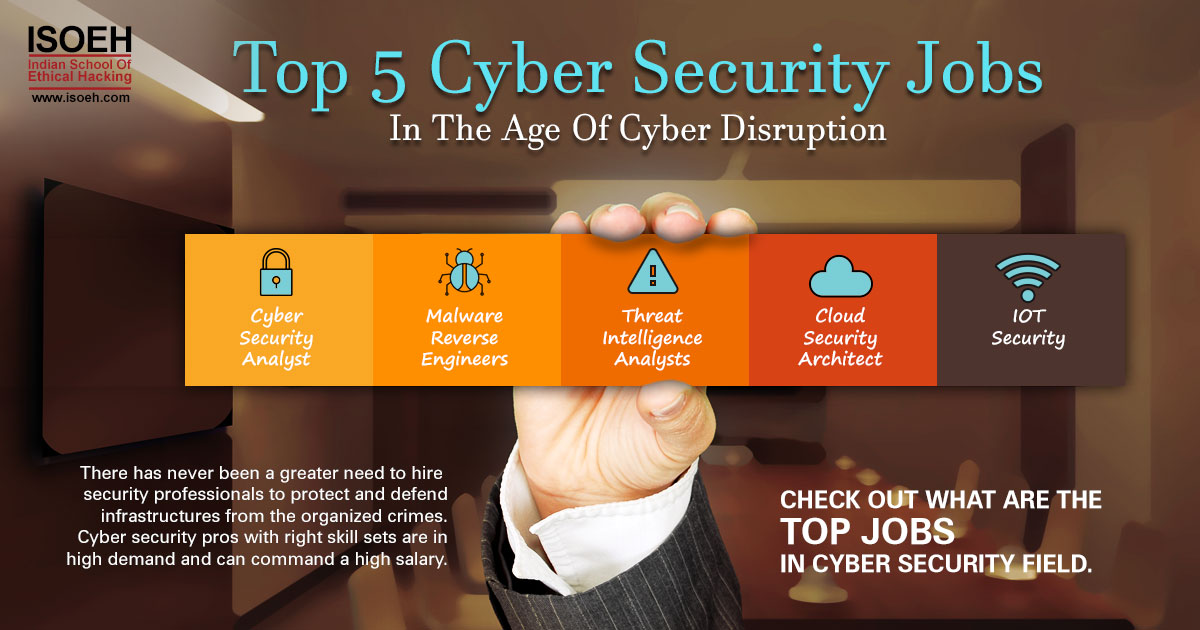
Top 5 cyber security jobs in the age of Cyber Disruption
Read Details »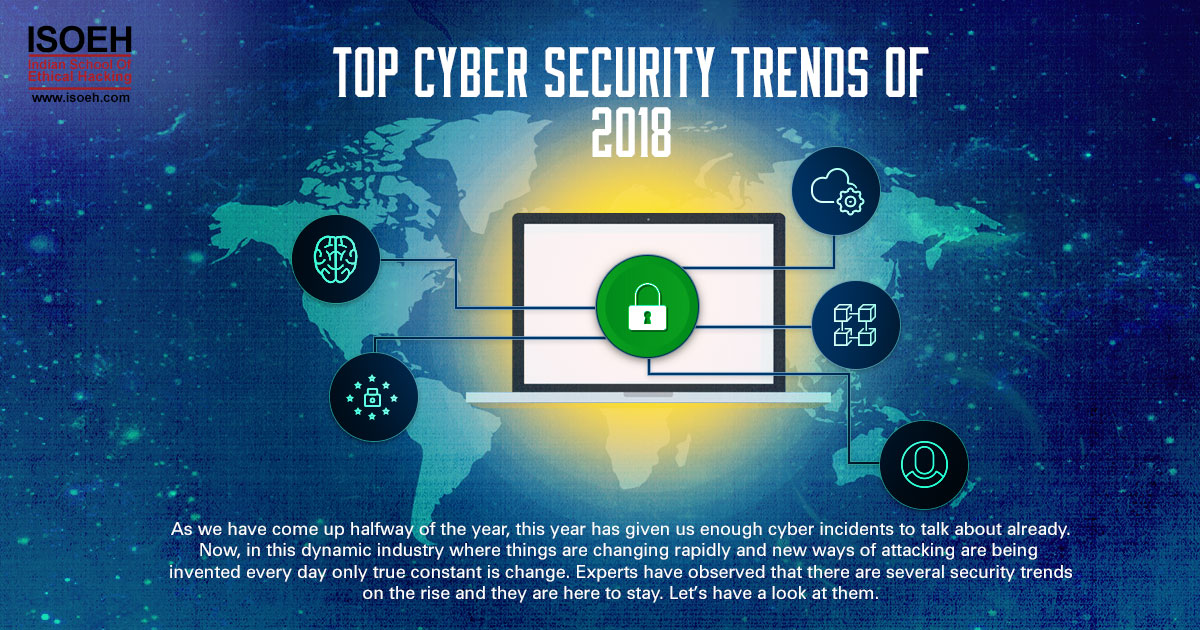
Top Cyber Security trends of 2018
Read Details »
A severe vulnerability in Signal desktop app allowing hackers to steal chats in plaintext without any user interaction
Read Details »
Cambridge Analytica and Facebook Controversy: What happened so far?
Read Details »
Equifax identifies an additional 2.4 million U.S. consumers affected by the massive data breach of 2017
Read Details »
Severe flaw in µTorrent can let hackers to control your PC remotely
Read Details »
Cyber Criminals are turning into Cryptominers, Dominating Cyber Threat Landscape
Read Details »
Android Banking Trojan targets over 232 banking apps, including Indian banks
Read Details »
Private end-to-end encrypted Whatsapp group chats are not secured anymore!
Read Details »
Top Cyber Attacks In 2017
Read Details »Hacking Tools
Explore All Hacking Tools »
UFTP is an encrypted multicast file transfer program for secure, reliable & efficient transfer of files. It also helps in data distribution over a satellite link.
Read DetailsBreaking News
Breaking News Of Each Month »
The recent pandemic was unexpected and unknown to most part of the world. It has changed our life and we are slowly adapting to our new lifestyle. The risks associated with the new lifestyle, both personal & corporate, are unknown to most of us.
Read Details