






In a disturbing case that highlights the rising threat of cyber fraud in India, two individuals from Khammam, Telangana lost over ₹2.38 crore in sophisticated crypto and stock trading scams. What seemed like genuine investment opportunities turned out to be carefully planned traps - designed to exploit trust, technology, and human psychology.
With online investment scams in India increasing rapidly, this incident serves as a critical reminder: no one is immune.
What Happened in the ₹2 Crore Investment Scam?
The first victim, a businessman, was approached through WhatsApp by a person claiming to be an overseas professional. Over time, she introduced him to cryptocurrency and forex trading platforms promising high returns.
At first, everything looked legitimate. He invested a small amount and was even able to withdraw a profit - building confidence in the platform. Gradually, he increased his investments.
However, when he attempted to withdraw larger sums, he was asked to pay additional charges such as:
- Taxes
- Processing fees
- Security deposits
Believing these to be standard procedures, he continued making payments - eventually losing ₹2.05 crore.
In another case, a private firm manager came across an Instagram video appearing to feature a government-backed investment opportunity. The video used a deepfake-style manipulation, falsely showing a trusted authority figure endorsing a stock trading platform.
Convinced of its authenticity, he invested through the platform. Like many fake trading apps, it displayed profits and growth in real time. But when he tried to withdraw his money, the system failed - and his balance eventually turned negative.
His total loss: ₹33.5 lakh.
Why Are Crypto & Trading Scams Increasing in India?
The surge in cryptocurrency scams, online trading fraud, and investment scams in India can be attributed to several factors:
- Increased digital adoption and online investments
- Lack of awareness about cyber fraud tactics
- Easy access to manipulated content like deepfake videos
- Growing trust in social media-based financial advice
Cybercriminals are now combining technology + psychology to create scams that are nearly indistinguishable from legitimate platforms.
How These Scams Manipulate Victims
Modern cyber scams are not random - they are engineered. They typically follow a pattern:
- Trust Building: Initial profits or friendly communication
- Authority Influence: Fake endorsements or professional identities
- Emotional Trigger: Fear of missing out (FOMO)
- Financial Trap: Continuous payments under different pretexts
By the time victims realize the fraud, significant financial damage has already been done.
Warning Signs of Fake Investment Platforms
To stay safe from online investment fraud, watch out for these red flags:
- Unrealistic or "guaranteed" high returns
- Requests for additional payments to withdraw funds
- Investment links shared via WhatsApp, Telegram, or social media
- Platforms lacking regulatory verification
- Celebrity or government endorsements that seem too convenient
If you notice even one of these signs, it's best to step back and verify.
How to Protect Yourself from Cyber Investment Scams
Staying secure in today's digital financial ecosystem requires awareness and caution:
- Use only verified and regulated investment platforms
- Avoid clicking on unknown or unsolicited investment links
- Research thoroughly before investing in crypto or stocks
- Never share sensitive financial information online
- Stay updated with the latest cybersecurity threats and fraud tactics
Final Takeaway: Awareness is the Best Defense
The ₹2 crore scam is not just an isolated incident - it reflects a larger trend of rising cybercrime in India. As scams become more advanced, the line between real and fake continues to blur.
The real question is no longer "Can this happen?"
It is: "Am I prepared if it does?"
Learn to Stay Ahead with ISOEH
At Indian School of Ethical Hacking (ISOEH), we believe that awareness is the first step toward protection.
We don't just teach cybersecurity - we prepare individuals to recognize, prevent, and respond to real-world cyber threats like:
- Crypto scams & financial fraud
- Social engineering attacks
- Deepfake and AI-driven threats
- Online identity and data theft
Whether you are a student, professional, or business owner, understanding cybersecurity is no longer optional - it's essential.
Don't just read about cybercrime. Learn how to stop it.

Read Other Articles
Read All Articles »
Quick look at the 10 facts you need to know about the latest Facebook hack
Read Details »
Top certifications in cyber security industry
Read Details »
Building a career in IoT: A thorough guide
Read Details »
The mystery of UIDAI : Who & Why!! Is it a threat? A detailed discussion
Read Details »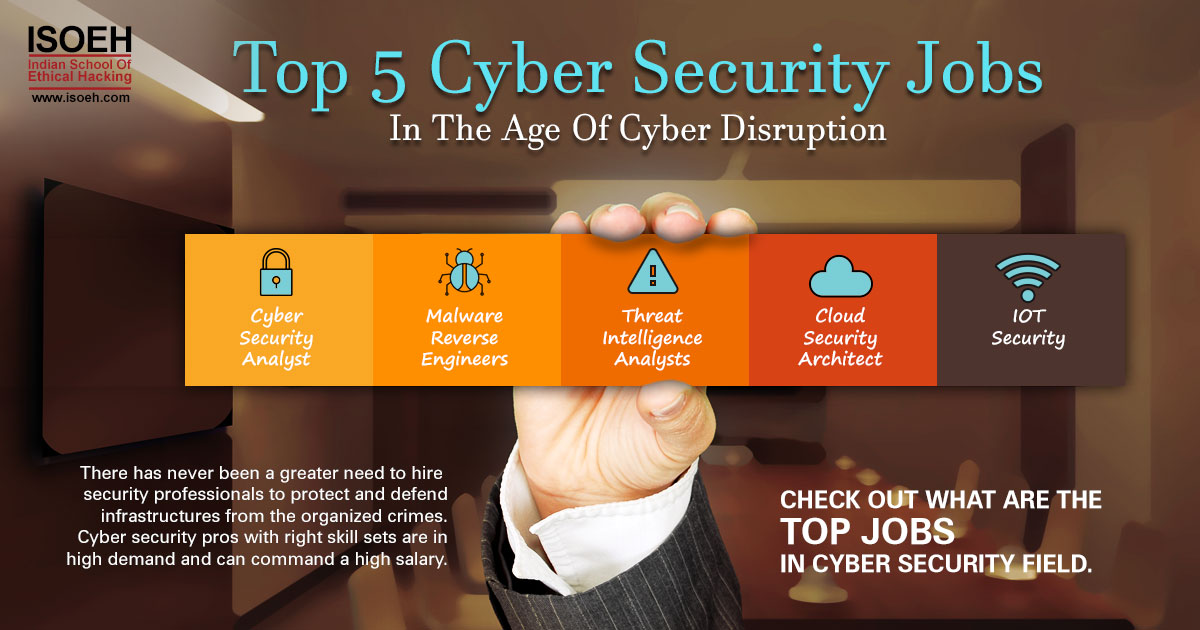
Top 5 cyber security jobs in the age of Cyber Disruption
Read Details »
Top Cyber Security trends of 2018
Read Details »
A severe vulnerability in Signal desktop app allowing hackers to steal chats in plaintext without any user interaction
Read Details »
Cambridge Analytica and Facebook Controversy: What happened so far?
Read Details »
Equifax identifies an additional 2.4 million U.S. consumers affected by the massive data breach of 2017
Read Details »
Severe flaw in µTorrent can let hackers to control your PC remotely
Read Details »
Cyber Criminals are turning into Cryptominers, Dominating Cyber Threat Landscape
Read Details »
Android Banking Trojan targets over 232 banking apps, including Indian banks
Read Details »
Private end-to-end encrypted Whatsapp group chats are not secured anymore!
Read Details »
Top Cyber Attacks In 2017
Read Details »Hacking Tools
Explore All Hacking Tools »
UFTP is an encrypted multicast file transfer program for secure, reliable & efficient transfer of files. It also helps in data distribution over a satellite link.
Read DetailsBreaking News
Breaking News Of Each Month »
The recent pandemic was unexpected and unknown to most part of the world. It has changed our life and we are slowly adapting to our new lifestyle. The risks associated with the new lifestyle, both personal & corporate, are unknown to most of us.
Read Details